How to Market a Group Home When You Cannot Advertise Like a Normal Business
By Mary Deanne Tabios, Done by Di. Phoenix, Arizona. Updated September 2026.
Group homes work under rules that most marketing advice ignores. You usually cannot show residents, promise outcomes, or make medical claims. What is left still works: be easy to find, be easy to trust, and be the name that referral sources remember.
Short version
- Check your own license terms first. They differ by state and by license type.
- Never show a resident's face or story without written permission.
- Do not promise results. Describe what you provide instead.
- Referral sources send more residents than advertising does.
- Showing the house, the staff and the routine is allowed and it is enough.
Know your own limits before you write anything
Rules vary by state, by license type and sometimes by the population you serve. Read your own license conditions, and if anything is unclear ask your licensing body in writing.
This article covers the marketing approach. It is not legal advice, and nothing here replaces your own compliance review.
What you can show instead of residents
The usual instinct is to show happy residents. When that is off the table, there is still plenty left that families want to see.
| Avoid | Use instead |
|---|---|
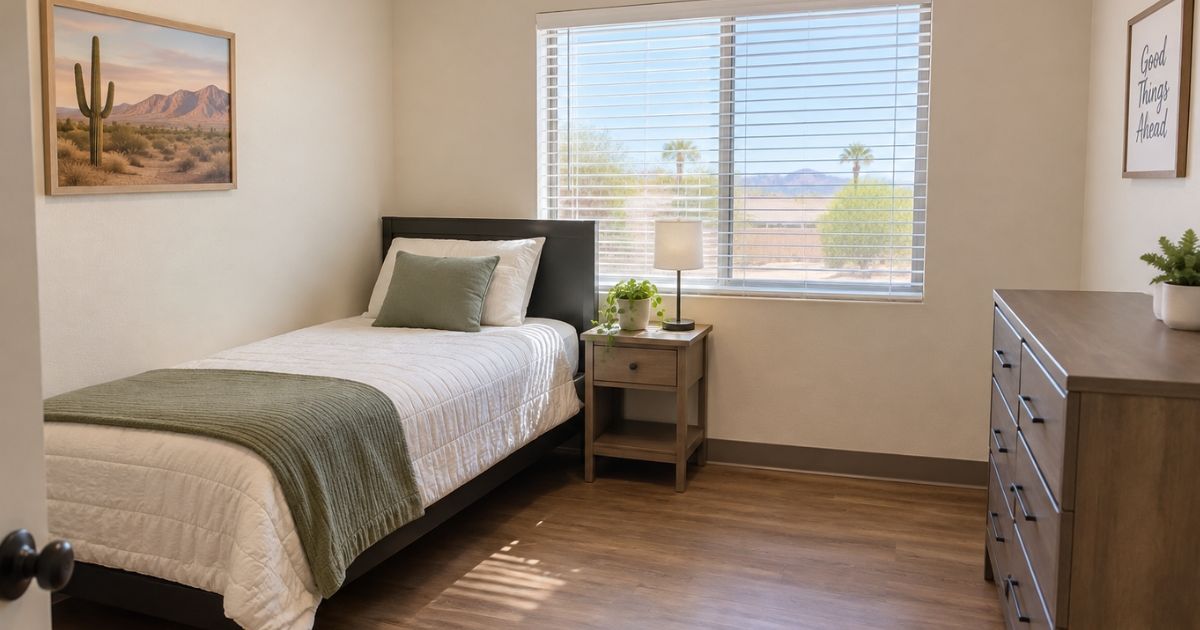
| Photos of residents | Empty rooms, the kitchen, the yard, the van |
| Resident stories | A day in the life described in general terms |
| We improve health outcomes | Staff on site 24 hours, meals prepared fresh daily |
| Best care in Arizona | Licensed since 2019, six beds, two caregivers per shift |
Specific and plain beats warm and vague. A family comparing three homes is looking for facts they can hold on to.
Referral sources are the real channel
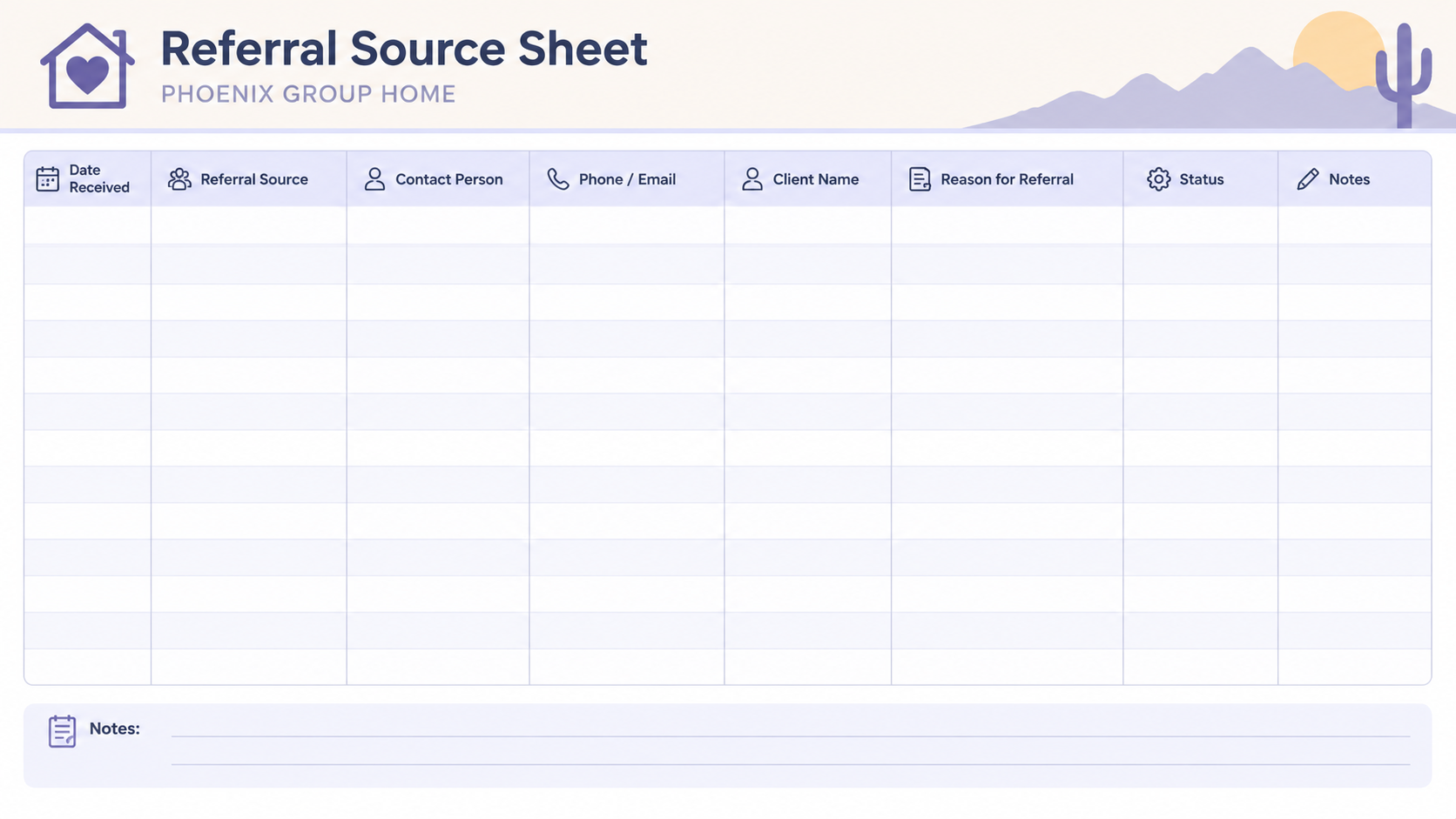
Most placements come through someone, not through an advert. Hospital discharge planners, case managers, social workers, home health agencies, and the local placement agents who visit homes in person.
- List every person who has ever sent you a resident. That list is your marketing plan.
- Make a one page sheet with beds, level of care, what you accept and what you do not.
- Keep your availability current with each of them. Being reachable when a bed is needed wins more than any advert.
- Answer the phone. A discharge planner with two hours to place someone calls whoever picks up.
The online part you are still allowed to do
Nothing stops you from having a claimed Google Business Profile, accurate hours, a real phone number and photos of the building. That is most of local search.
Nothing stops you from writing a page for each city you take residents from, explaining what you offer and what you do not. Families search by city.
Reviews are usually fine when they come from a family member writing about their own experience, in their own words, unprompted by a script. Check your rules on soliciting them.

Common questions
Can I put photos of the house online?
Usually yes, as long as no resident or resident belonging is identifiable. Take the photos when rooms are empty.
Can families leave reviews?
A family member writing about their own experience is generally acceptable. Do not write it for them and do not offer anything in exchange.
Should I run paid ads?
For most small homes, no. Referral relationships and a clean local presence cost less and place more residents.
What if I have no reviews at all?
Start with the families you have now. Two recent, honest reviews are a real beginning.
Done by Di is a digital marketing growth lab in Phoenix, Arizona, run by Mary Deanne Tabios. We work with care homes and local service businesses on being found without overstating anything.
If you want a second pair of eyes on what you are allowed to say, send a message with these three things:
- Your license type
- Your website address, if you have one
- The wording you are unsure about
Email hello@donebydi.com or call +1 602 623 5977.
Related reading: digital marketing services.